
Clermont Neighbors by Source
A block lookup should preserve the limits of each official source. The appraiser map is the best starting point for physical adjacency. Parcel cards answer who holds title. A plat explains the recorded subdivision geometry. Election and permit records add dated evidence about registration or work at an address, but they do not turn into a full household roster.
| Source | Block evidence | How Clermont residents access it |
|---|---|---|
| LCPA map and cards | Adjacent parcels, titleholders, mailing and situs fields | Free property and map searches |
| Lake County or city GIS | Boundaries, zoning, services, and public map layers | Free informational viewers |
| Florida voter extract | Nonexempt registered voters by residence field | State or county records request |
| Clermont permits and code | Dated property activity and named project parties | eTRAKiT or focused request |
| Recorded subdivision plat | Lots, streets, easements, and common areas | Lake County Clerk, plats from 1884 |
| Association filings | Public officers, agent, and corporate address | Official state business index |
Owners may live elsewhere, registered voters are only part of a block, and permit applicants may be contractors. Keep those distinctions visible in every note.
Map Clermont Neighbors Parcel First
Use the Lake County Property Appraiser Map Search to locate the target parcel, then click the polygons immediately north, south, east, and west. Hold the map scale steady. A nearby centroid can be misleading when water, a road, a drainage tract, or common land lies between two homes. Clermont's lakefront and hilly terrain make that caution practical, not theoretical.
- Search the known street address or navigate to the parcel and copy its parcel number.
- Click each lot that actually shares an edge or faces the same short street segment.
- Open each property card and record owner name, mailing address, situs address, city or millage group, and legal description.
- Compare the legal descriptions with the recorded plat before calling the set one block.
- Move to the Clermont street directory workflow only when the question expands to a whole named street.
LCPA data updates nightly, yet its cadastral boundaries are assessment aids rather than legal surveys. An easement or disputed line requires the recorded instrument and, where necessary, a qualified surveyor.
Define the Clermont Block
The Lake County GIS GeoHub adds public map layers and datasets. Where the viewer offers selection, measurement, or layer controls, use them to document why a group of parcels belongs together. A radius is only a circle around a point. It is not proof of a neighborhood boundary, subdivision phase, or shared entrance.
Recorded plats often settle the common geography more cleanly. Lake County's plat series reaches October 11, 1884. A plat may show lot and block numbers, streets, easements, and common areas. Use the parcel card's legal description to locate the right plat. Modern map lines can then be read against the recorded plan.
Note: A postal address reading Clermont does not by itself prove that a parcel lies inside Clermont's incorporated limits.
Separate Clermont Owners and Occupants
The appraiser roll identifies titleholders. It does not list all Clermont neighbors who occupy a home. Compare the owner's mailing address with the property location. A match, especially alongside a homestead treatment, can support an owner-occupancy inference. A mismatch may point to an absentee owner, trust, company, or mailing preference. Neither outcome names every adult, child, guest, or renter.
Permit and inspection records describe property activity, not a resident roster. For parcels inside city limits, Clermont eTRAKiT exposes parcel, owner, restriction, land-use, building, legal-description, and inspection information. The named applicant or contractor may never have lived there. For postal Clermont beyond the city line, switch to the responsible county or municipality.
Evidence rule. Label a titleholder as an owner, a voter as registered at an address, and a permit party by the role shown. Do not merge them into one household.
Clermont Voter Data by Block
Florida voter records include public fields such as name, residence and mailing address, date of birth, party, registration status and date, precinct, districts, and voting history. Voting history shows participation, never ballot choices. Social Security numbers, driver-license or state-ID numbers, application source, and copied signatures remain closed. Protected voters receive added safeguards.
The state's public voter information guidance explains the line between disclosed and protected fields.
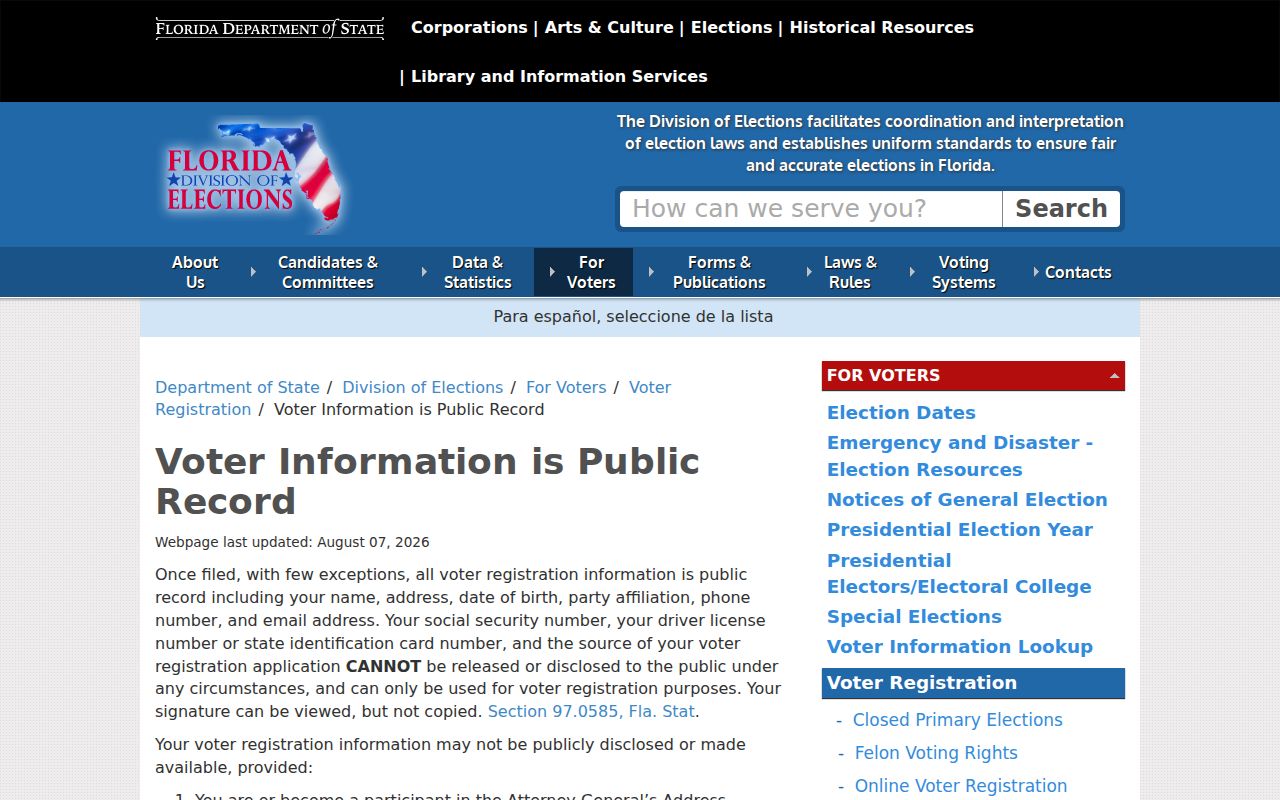
That split matters before any block analysis. A missing name can reflect nonregistration or a protection, not absence from the home.
The local identity-gated lookup is designed for an individual voter, not reverse-address scraping. The proper broader route is the Florida statewide voter extract request or a focused request to the elections custodian.
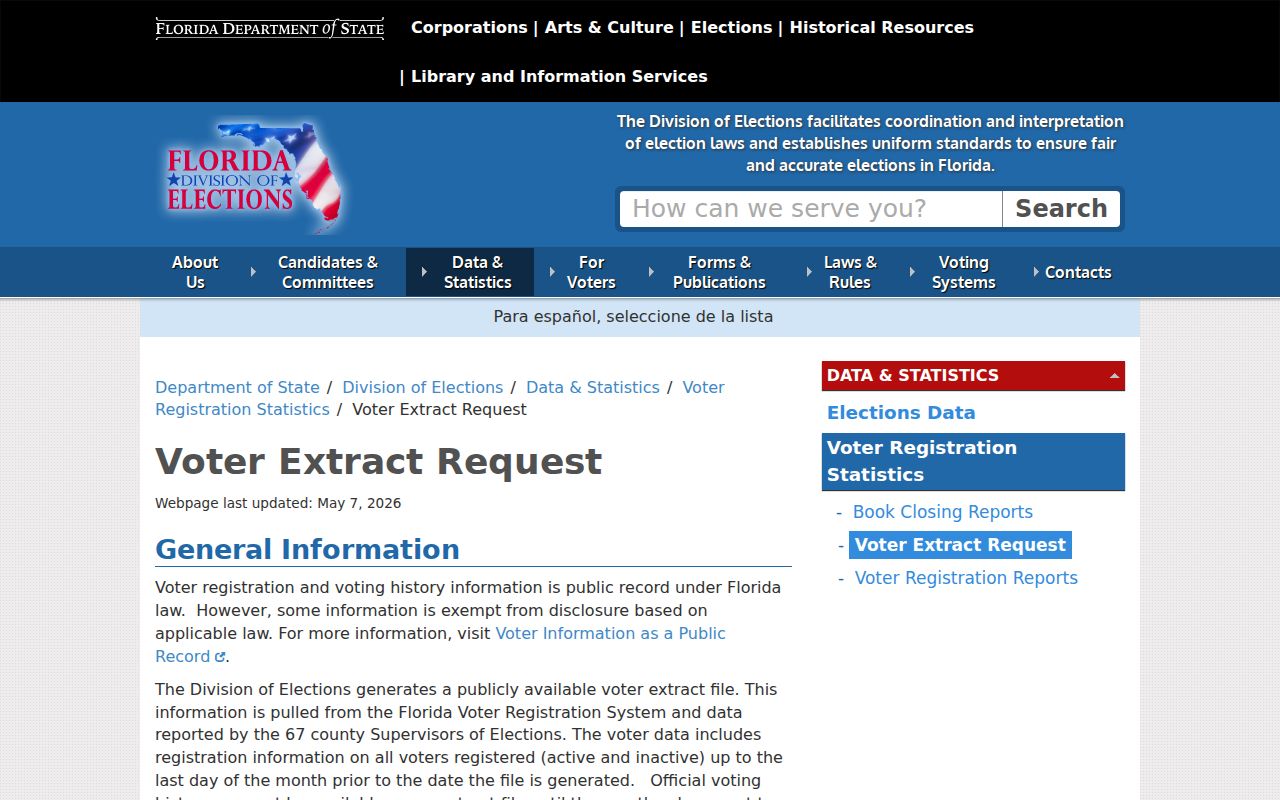
The extract can be filtered lawfully by residence street or ZIP after exempt records and fields are removed. Save its date because registration and addresses change.
Confirm Clermont Election Context
The Lake County Supervisor of Elections is the local office for a voter's registration, precinct, replacement card, and county election-record questions. Ask for an existing public record or extract, not a custom conclusion about who lives near an address.
The local office site provides the correct contact point:
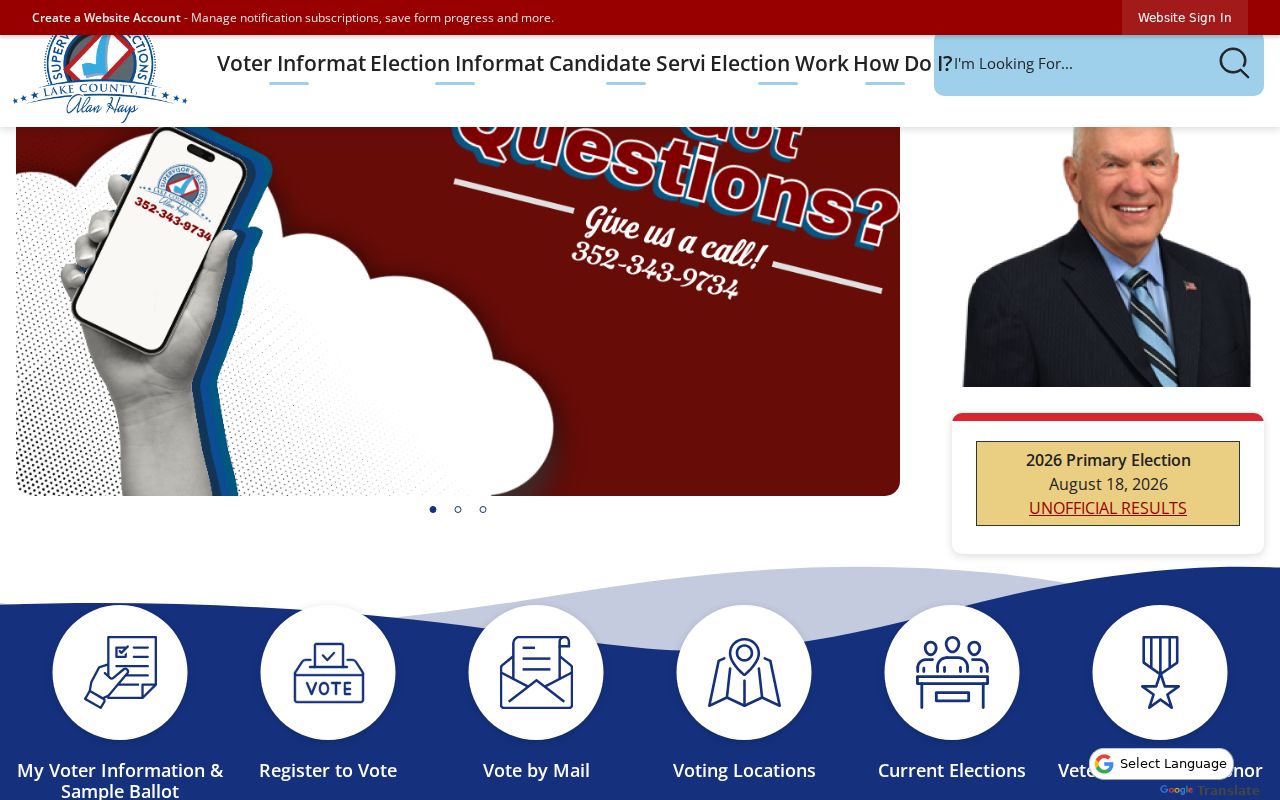
Registration proves the residence reported to elections at that time. List-maintenance delay, protected records, nonregistered adults, and minors prevent it from being a full neighbor directory.
Clermont Community Directory Limits
No authoritative citywide umbrella directory of Clermont neighborhood associations and member rosters was found. Planned communities and subdivisions can instead be identified through recorded plats and zoning records. Florida nonprofit filings may identify an HOA's officers, registered agent, and official address, but not its homeowners or residents. Clermont Main Street is a downtown civic and business organization, not a household directory.
Subdivision Geography
Lake County Clerk Official Records
Recorded plats, lots, blocks, streets, easements, and association instruments.
HOA Public Filings
Florida Sunbiz search
Entity status, filing images, officers, registered agent, and public business address.
City Property Activity
Clermont public records
Existing city records such as zoning files, council materials, and releasable code or permit records.
Sunbiz can be searched by entity name, officer or registered-agent name, document number, and street address. A filing detail may show legal name, status, principal and mailing addresses, officers, annual-report history, and filing images. Search current and inactive entities when an association changed names. The listed address is a corporate contact, not proof that an officer lives on the block. Lake County Sheriff neighborhood-watch contacts or Clermont police community programs may confirm that an organized watch exists, but that limited fact does not open its roster.
Neighborhood-watch and community-program contacts may confirm that an organized group exists. Their private rosters remain private. A public association filing is useful for reaching the organization, not for naming the people next door.
Official Clermont Neighbor Evidence
Commercial neighbor tools often blend old addresses, telephone data, and third-party profiles without showing when each fact was collected. Official rolls are narrower, but they identify a custodian, field meaning, and date. That makes them easier to test against another record.
| Feature | Official Clermont or Lake source | Commercial category |
|---|---|---|
| Physical adjacency | Parcel map and recorded plat | Often inferred from address lists |
| Name meaning | Role is stated, such as owner, voter, or officer | Role and date may be unclear |
| Correction path | Contact the named custodian | Varies by provider |
| Coverage limit | Defined by record and exemptions | May blend unmatched sources |
For Clermont neighbors, a small set of current official records is more useful than a long list with no source dates. Confirm important facts with a second independent record.
Protect Clermont Neighbors' Privacy
Florida's Address Confidentiality Program can provide a substitute address and protect voter information for qualifying victims of domestic violence or stalking. Section 119.071 also supports certain occupational exemptions. These protections mean that a careful block search will remain incomplete by design.
Lawful use. Use Clermont neighbor records for civic curiosity, reconnecting, or personal safety awareness. Never use them to watch, harass, intimidate, or harm a person.
Utility customer lists, delivery data, protected voter details, and motor-vehicle personal addresses are not public neighbor tools. Do not infer absence, secrecy, or wrongdoing from a blank result. Preserve source dates, distinguish owners from occupants, and respect any person who does not wish to engage.